Total Works Sold
0
Current & Upcoming Works
1
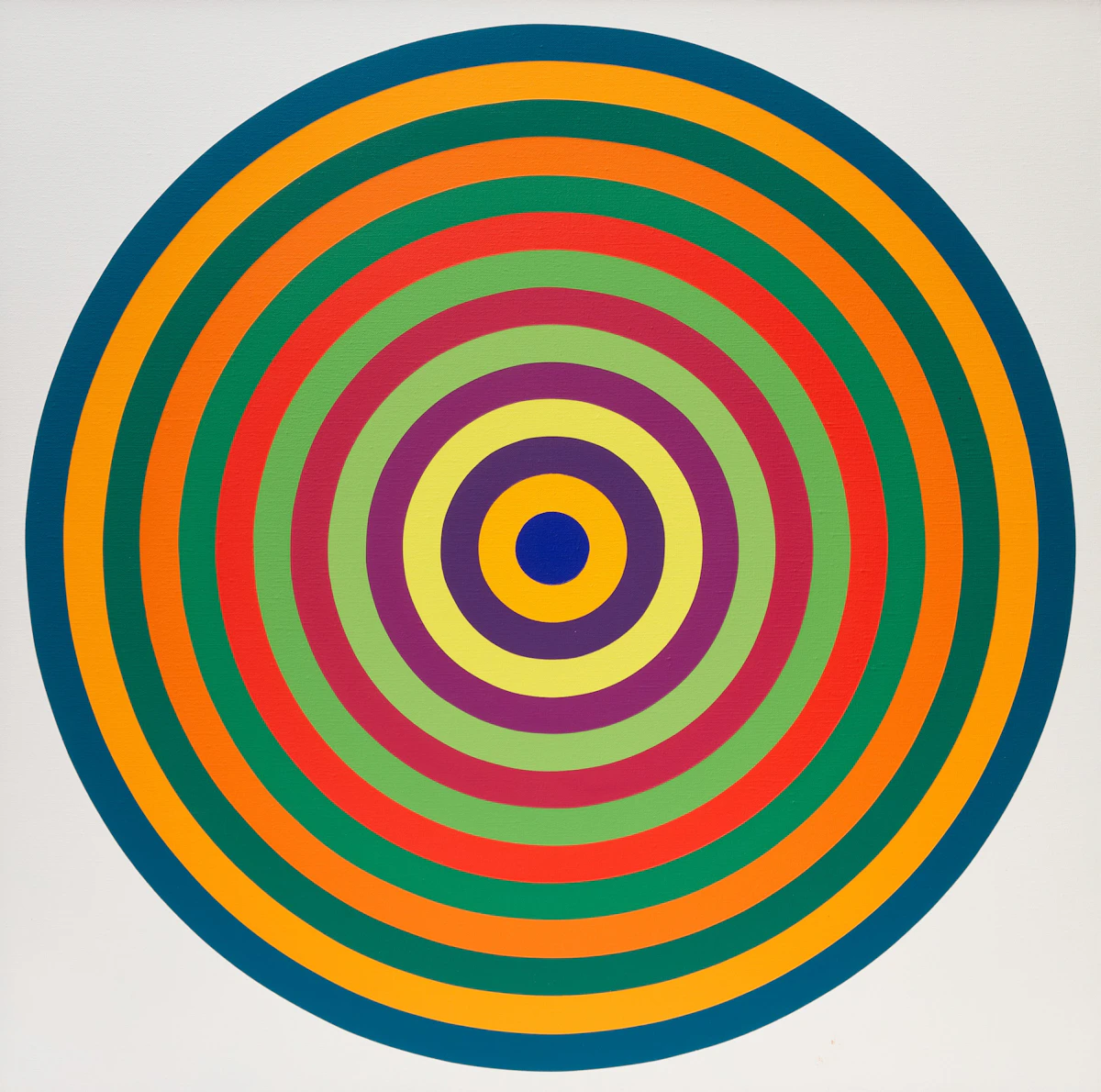
Focused on viewer experience, light, movement, and progressive sequences of forms, positions, and colours, Julio Le Parc’s extraordinary career spans more than seventy years and hundreds of exhibitions at the world’s leading institutions. A precursor of kinetic art and Op Art, founding member of G.R.A.V. [Visual Art Research Group] and recipient of the Grand Prize for Painting at the 33rd Venice Biennale in 1966, Julio Le Parc (b. 1928 in Argentina, worked predominantly in Cachan) is a major figure of art history.
In the late 1950s and early 1960s, Le Parc began experimenting with light, vision, and the multiplication of the image. He created works with layers of plexiglass to fracture the viewer’s perception and also produced light boxes, mobiles, and relief wood sculptures. He focused on rotating forms, images, and colours to project them onto ceilings and walls. Le Parc travelled extensively between his home in Cachan and Latin America to participate in exhibitions that emphasized the social liberation of the peoples of Puerto Rico, Cuba, and Argentina. The socially conscious artist was expelled from France in May 1968, after participating in the Atelier Populaire and its protests against major institutions. A defender of human rights, he fought against dictatorship in Latin America. An uncompromising personality, he refused to hold a retrospective exhibition at the Musée d’Art Moderne de la Ville de Paris in 1972, after flipping a coin to decide. Le Parc is best known for his pioneering kinetic sculptures, which he wanted to make viewers feel active in, with their acts of looking and experiencing bringing each artwork to life, creating more democratic art that everyone can easily enjoy. Julio Le Parc died in 2026 in Paris.
