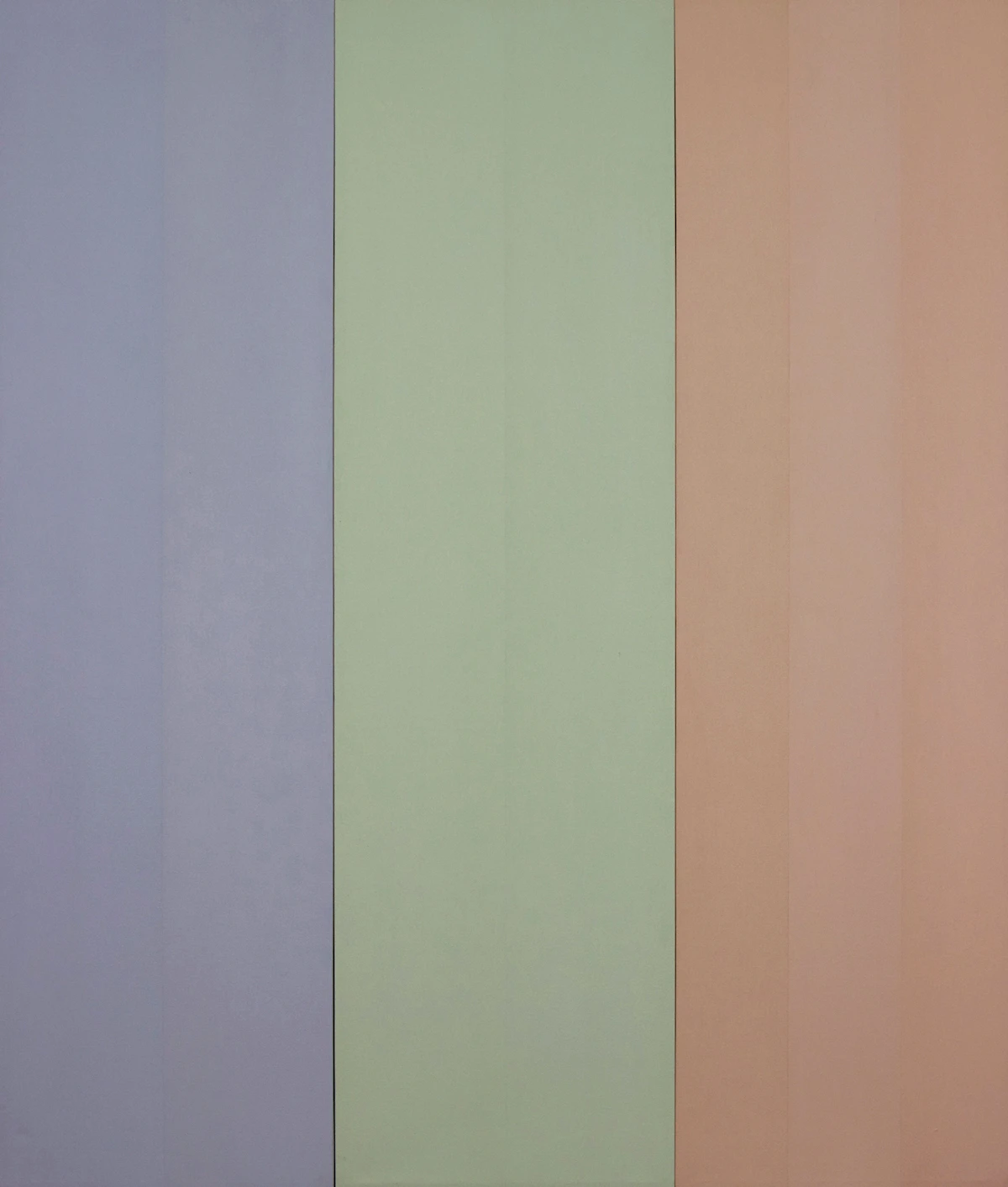
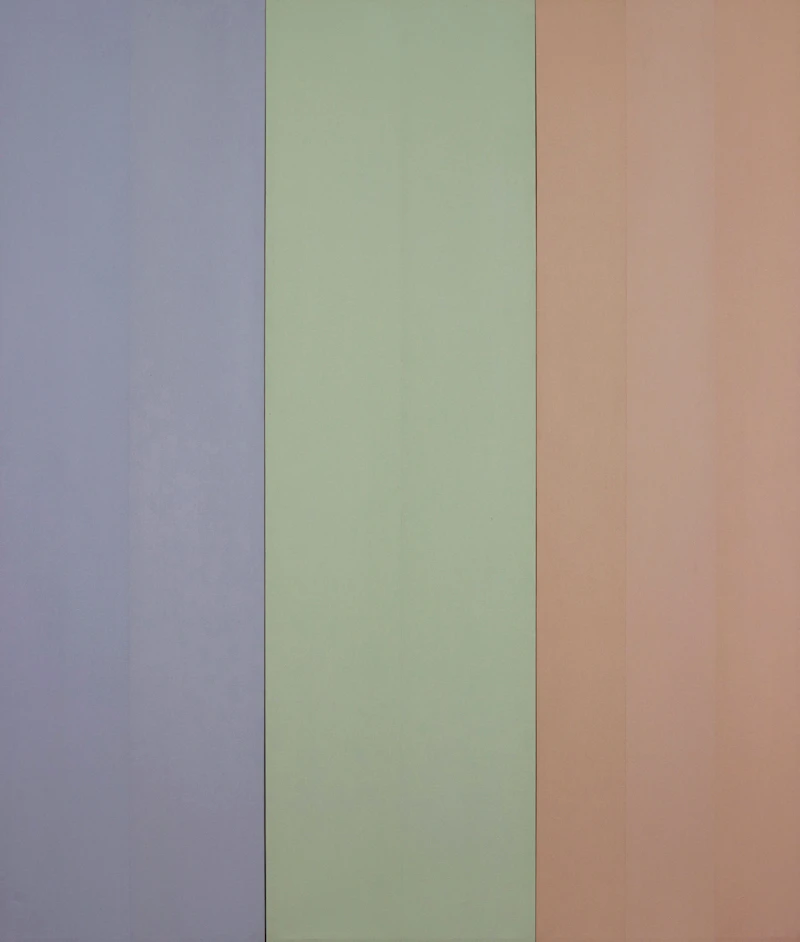
From the late 1960s until his death in 1990, Louis Comtois developed an essentially abstract pictorial approach, drawing on the achievements of the plastic movement, particularly Fernand Leduc. After becoming interested in the integration of art with architecture, he explored the effects of hard-edge painting , marked by plastic and American influences. Color quickly became his primary aesthetic concern. It would be the driving force of his creative years to come. In the early 1980s, Comtois abandoned acrylic and traditional canvas to adopt oil and encaustic—as well as a variety of materials such as wood, plaster, and cement, with which he engaged in extensive experimentation that brought out their tactile aspect and magnified their sensuality through the nuances and qualitative variations of the painted surfaces.