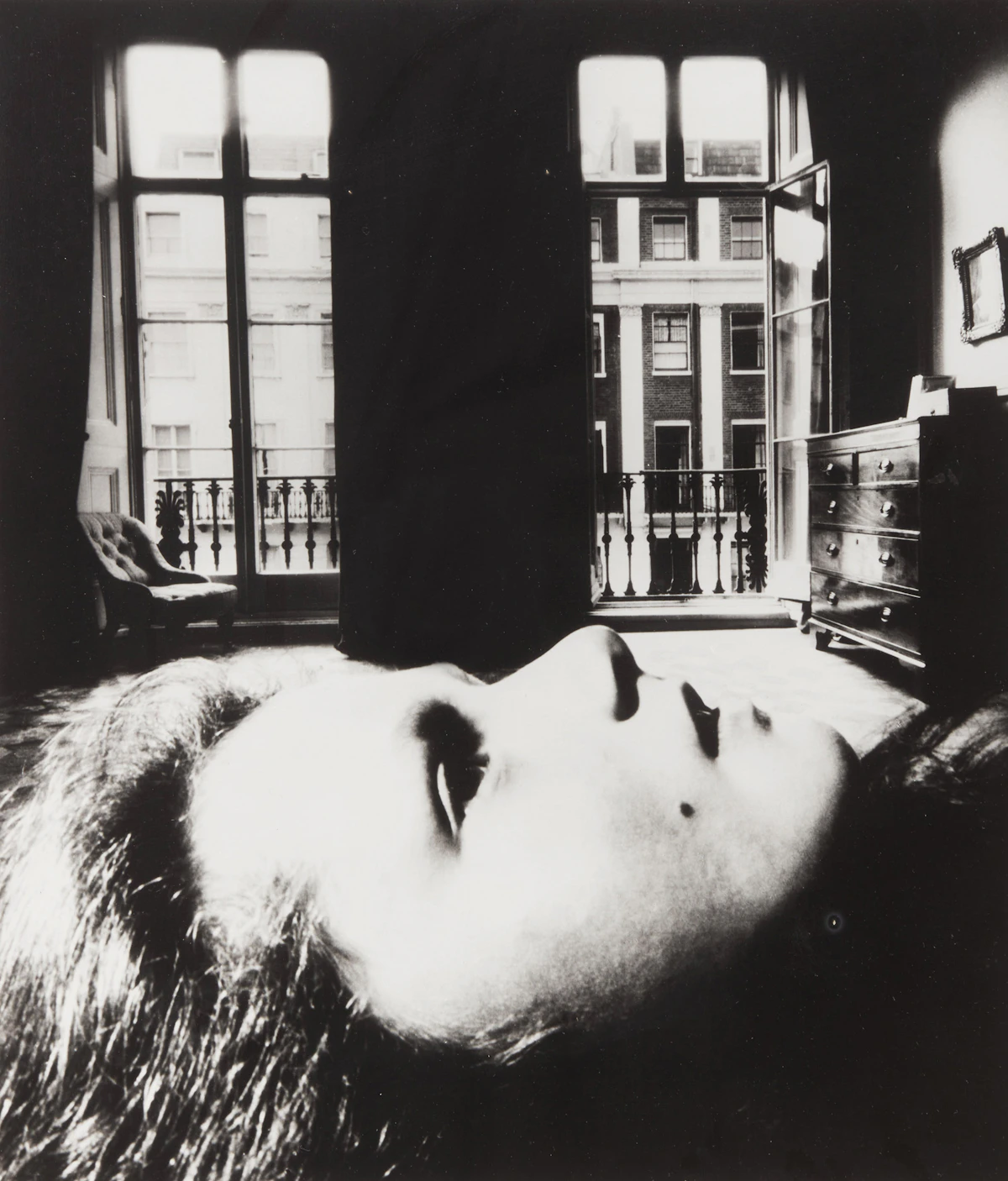
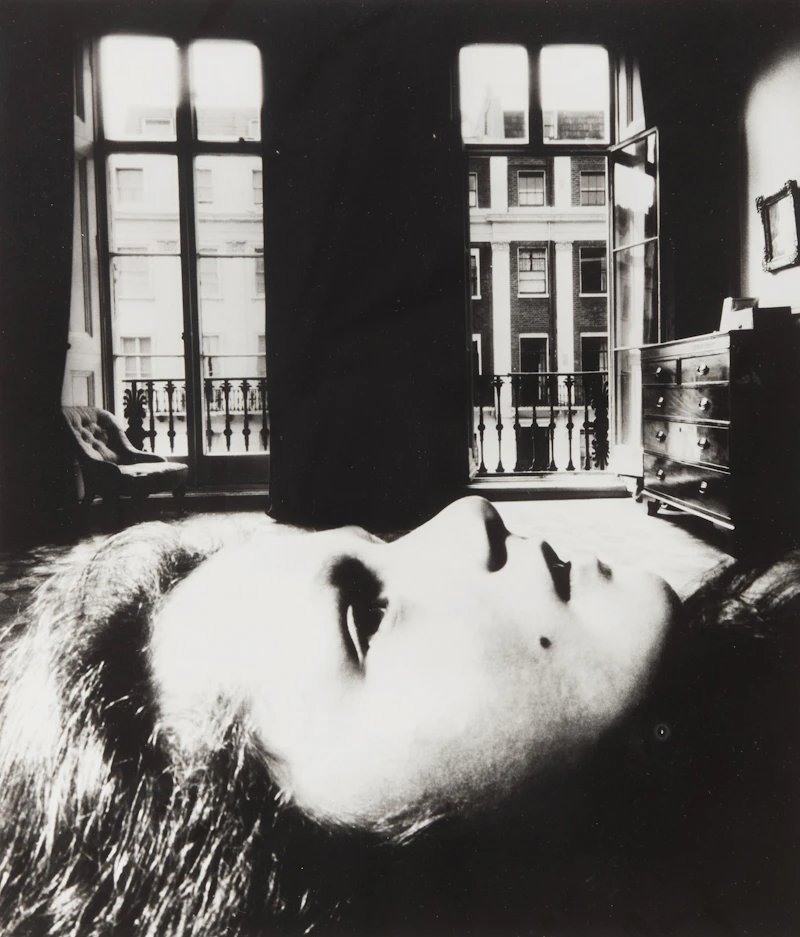
Bill Brandt was a British photographer and photojournalist widely regarded as one of the most important British photographers of the twentieth century. Born in Germany, Brandt moved to England after World War I, where he became known for his striking images of British society, featured in magazines like Lilliput and Picture Post. His later work explored distorted nudes, portraits of prominent artists, and evocative landscapes, often characterized by dramatic contrasts and unique perspectives.
Brandt's early life was marked by hardship, including contracting tuberculosis, which led to extended stays in a Swiss sanatorium. He later distanced himself from his German heritage, claiming to have been born in South London. Over his career, Brandt's work evolved into a defining visual language that captured the nuances of British life and culture. Major exhibitions of Brandt’s work have been held at prestigious institutions, including the Museum of Modern Art in New York (1969), the National Portrait Gallery in London (1982), and Tate Britain (2022). His legacy is celebrated through numerous retrospectives and his posthumous induction into the International Photography Hall of Fame in 1984. Brandt’s iconic photographs continue to influence photographers today, shaping the landscape of modern photography.